
December 31
temps fort
Les premiers jours Capitale
Dance
Exhibitions
Installations
Current Music
Performance
From 31.12.26 to 03.01.27
→
 temps fort
Les premiers jours Capitale
From 31.12.26 to 03.01.27
31.12.26
sève
Tobias Gutmann
Installations
31.12.26 - 11:00
→
I
opening
sève
Bataille de neige
Denis Roueche
Installations
31.12.26 - 18:30
→
I
opening
Bataille de neige
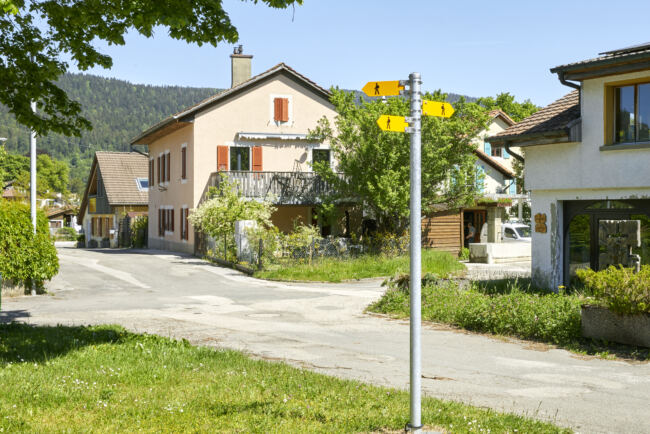
Rando(m)
Mouvement Studio
Installations
31.12.26 - 18:30
→
I
opening
Rando(m)
Sources
Fountain Rose
Installations
31.12.26 - 18:30
→
I
opening
Sources
Sound bites
Hannah Weinberger
Installations
31.12.26 - 18:30
→
I
opening
Sound bites
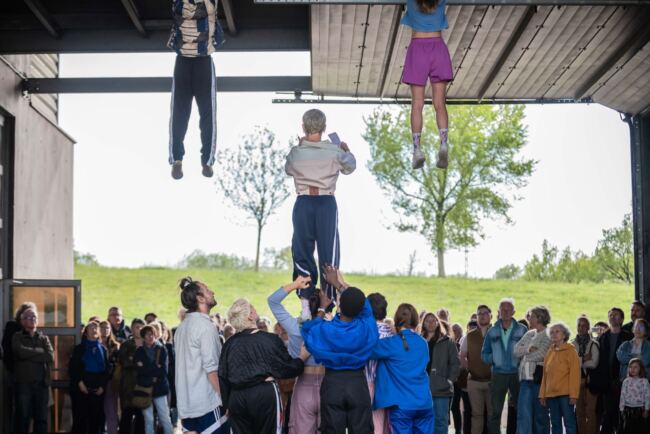
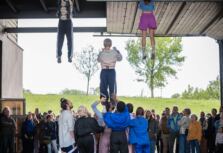
LA CRUSH
LA CRUSH
Street Arts
Circus
Dance
31.12.26 - 23:00
→
S
C
D
LA CRUSH
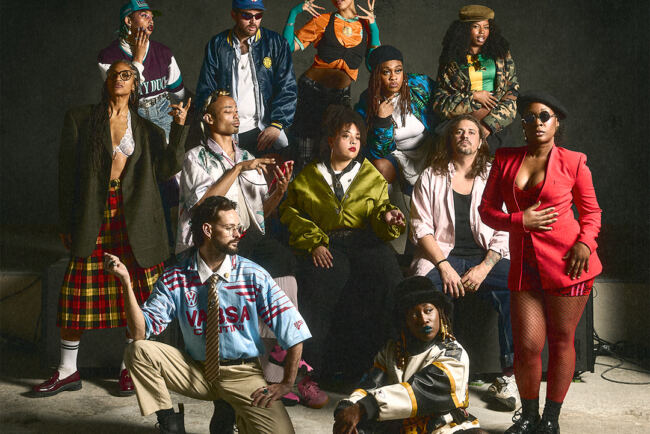
Maraboutage
La Famille Maraboutage
Current Music
31.12.26 - 01:00
→
C
Maraboutage
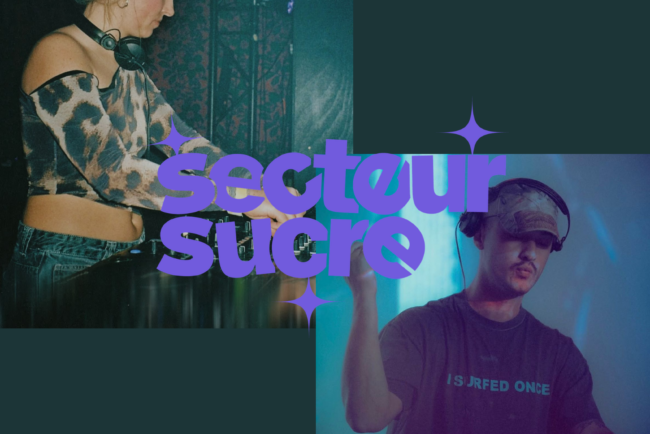
Secteur Sucre
Secteur Sucre
Current Music
31.12.26 - 03:00
→

C
Secteur Sucre
Les premiers jours Capitale
Dance
Exhibitions
Installations
Current Music
Performance
From 31.12.26 to 03.01.27
→
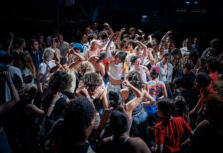
D
E
I
C
P
temps fort
Les premiers jours Capitale
Passage à l’heure Capitale
Dance
Current Music
Performance
31.12.26
→
D
C
P
Passage à l’heure Capitale
Bataille de neige
Denis Roueche
Installations
From 31.12.26 to 31.12.27
→
I
Bataille de neige
Rando(m)
Mouvement Studio
Installations
From 31.12.26 to 31.12.27
→
I
Rando(m)
sève
Tobias Gutmann
Installations
From 31.12.26 to 31.12.27
→
I
sève
Sources
Fountain Rose
Installations
From 31.12.26 to 31.12.27
→
I
Sources
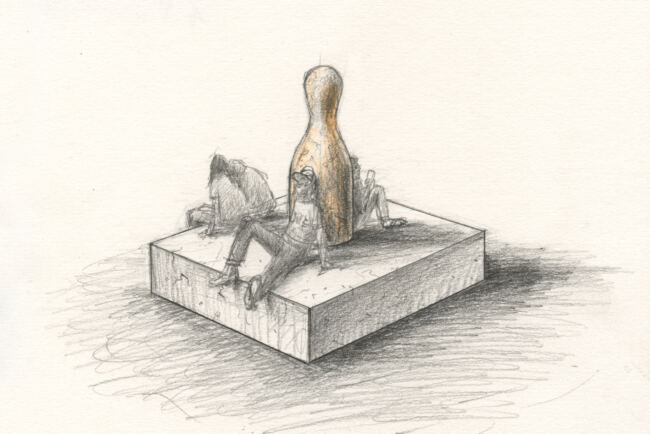
Your Turn
Florian Graf
Installations
From 31.12.26 to 31.12.27
→
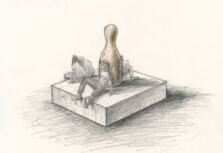
I
Your Turn
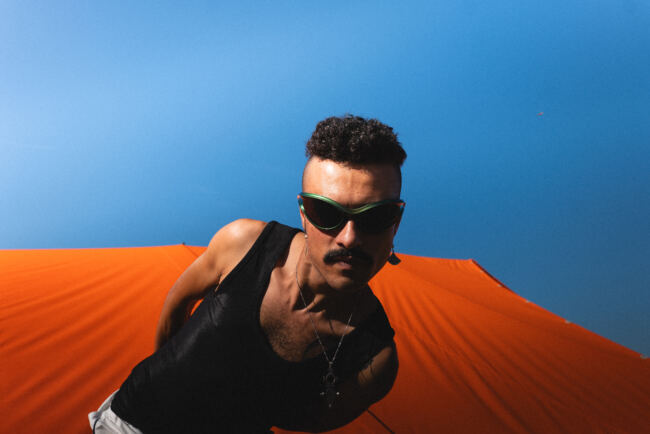
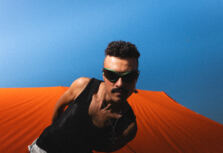
Sami Galbi
Sami Galbi
Current Music
31.12.26
→
C
Sami Galbi
Sound bites
Hannah Weinberger
Installations
From 31.12.26 to 31.12.27
→
I
Sound bites
Nothing else announced for this month.
temps fort
Les premiers jours Capitale
Dance
Exhibitions
Installations
Current Music
Performance
From 31.12.26 to 03.01.27
→
temps fort
Les premiers jours Capitale
From 31.12.26 to 03.01.27
31.12.26
Les premiers jours Capitale
Dance
Exhibitions
Installations
Current Music
Performance
From 31.12.26 to 03.01.27
→
D
E
I
C
P
temps fort
Les premiers jours Capitale
Bataille de neige
Denis Roueche
Installations
From 31.12.26 to 31.12.27
→
I
Bataille de neige
Rando(m)
Mouvement Studio
Installations
From 31.12.26 to 31.12.27
→
I
Rando(m)
sève
Tobias Gutmann
Installations
From 31.12.26 to 31.12.27
→
I
sève
Sources
Fountain Rose
Installations
From 31.12.26 to 31.12.27
→
I
Sources
Your Turn
Florian Graf
Installations
From 31.12.26 to 31.12.27
→
I
Your Turn
Sound bites
Hannah Weinberger
Installations
From 31.12.26 to 31.12.27
→
I
Sound bites

Cercle 2044 : repenser la ville industrielle
Club 44
From 01.01.27 to 31.12.27
→

Cercle 2044 : repenser la ville industrielle
02.01.27
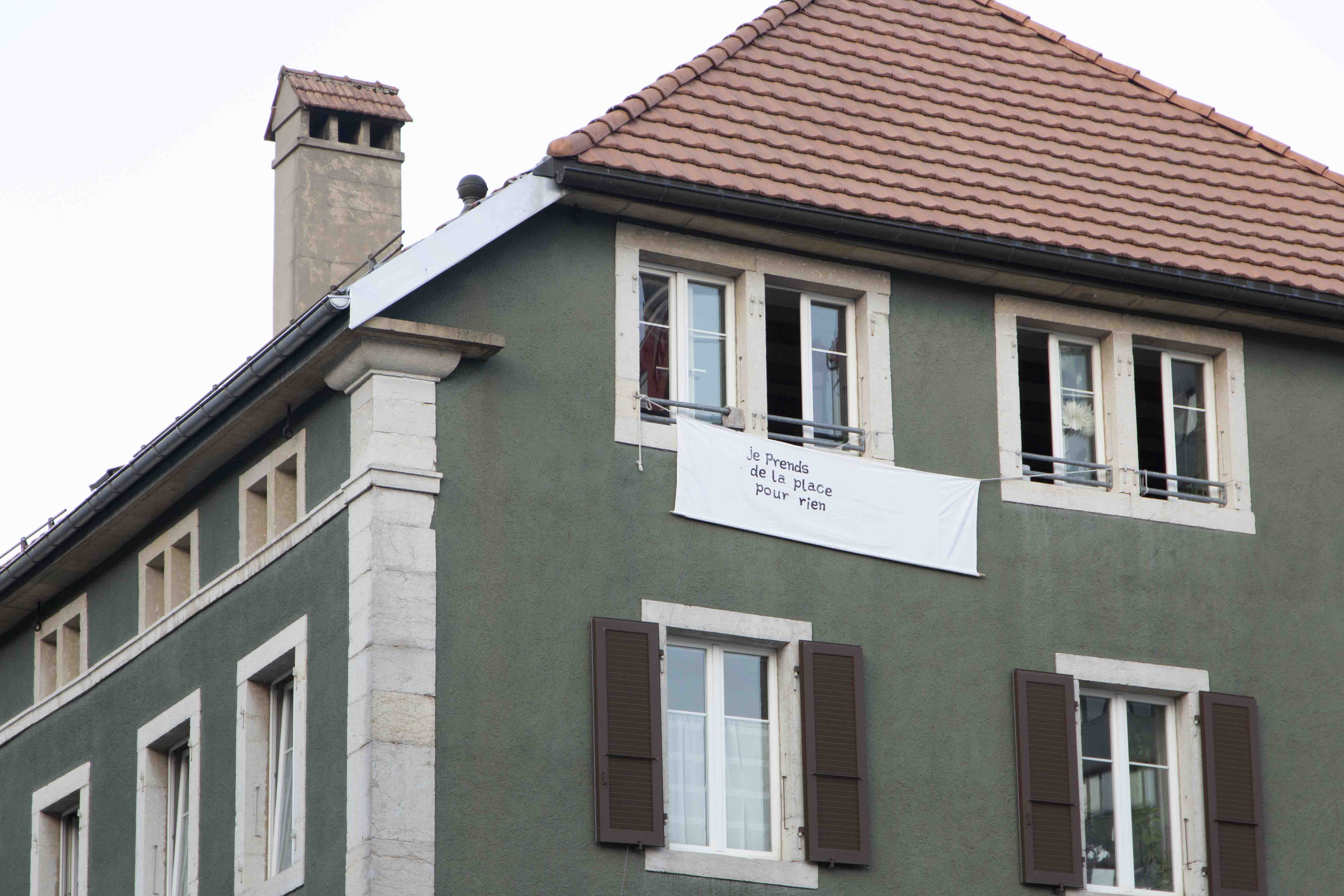
Rêver pour de vrai
La Bande de rôles
Exhibitions
Installations
02.01.27 - 11:30
→
E
I
opening
Rêver pour de vrai
LA CRUSH
LA CRUSH
Street Arts
Circus
Dance
02.01.27 - 14:00
→
S
C
D
LA CRUSH
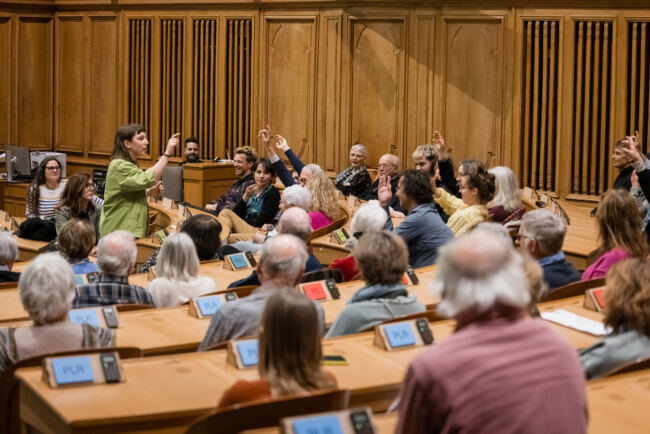
GRAND CONSEIL
La Compagnie Provisoire
Theater
02.01.27 - 20:00
→
T
GRAND CONSEIL
Rêver pour de vrai
La Bande de rôles
Exhibitions
Installations
From 02.01.27 to 31.01.27
→
E
I
carte blanche
Rêver pour de vrai
03.01.27
Ballade invisible sur Calmis
Tenko
Installations
03.01.27 - 11:00
→
I
opening
Ballade invisible sur Calmis
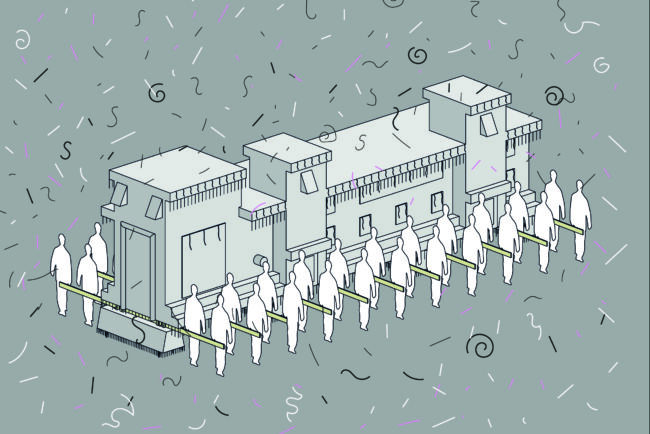
Genius Loci
Giona Bierens de Haan
Installations
Performance
03.01.27 - 11:00
→
I
P
opening
Genius Loci
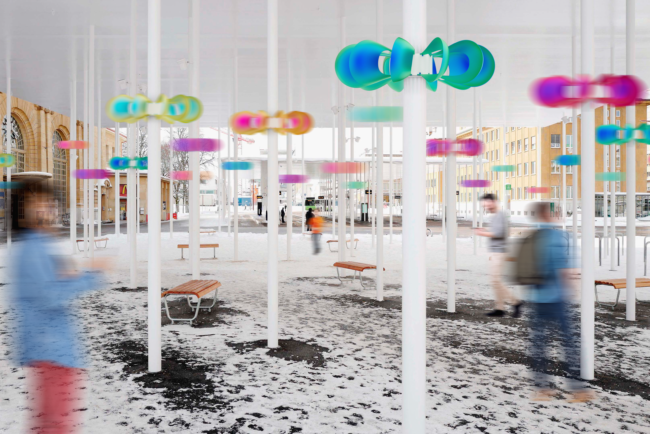
Les Girouettes
Multiple
Installations
03.01.27 - 11:00
→
I
opening
Les Girouettes
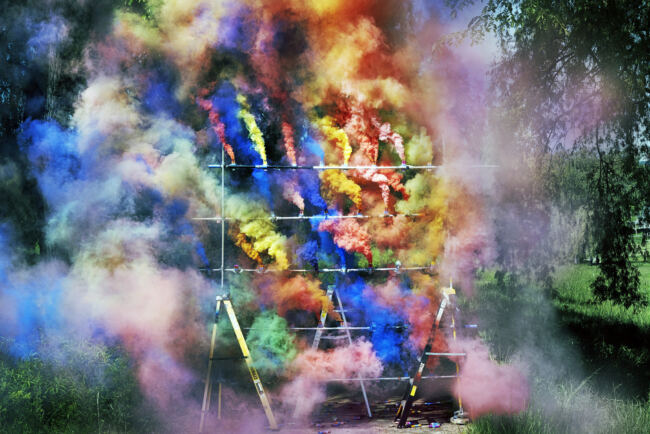
Smoke Bombs
Olaf Breuning
Performance
03.01.27 - 11:00
→
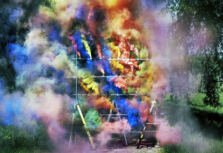
P
Smoke Bombs
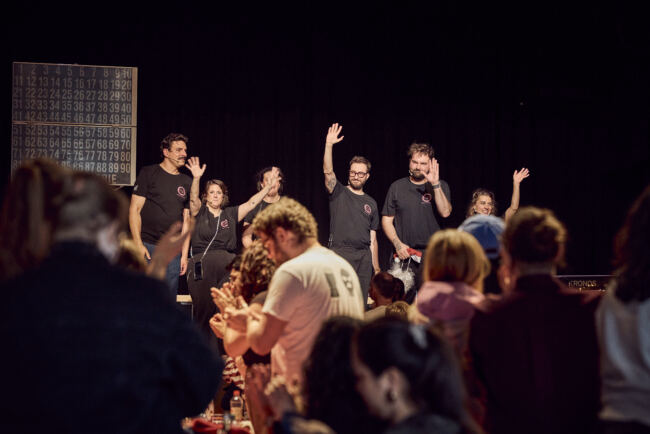
Carton
La Compagnie TBK
Theater
03.01.27 - 14:00
→
T
Carton

Le Passage du Temps
Hania Rani
Classical and Contemporary Music
03.01.27 - 18:00
→
C
Le Passage du Temps
Ballade invisible sur Calmis
Tenko
Installations
From 03.01.27 to 31.12.27
→
I
Ballade invisible sur Calmis
CHDOITCH
From 03.01.27 to 31.12.27
→
CHDOITCH
Genius Loci
Giona Bierens de Haan
Installations
Performance
From 03.01.27 to 31.12.27
→
I
P
Genius Loci
Les Girouettes
Multiple
Installations
From 03.01.27 to 21.12.27
→
I
Les Girouettes
13.01.27
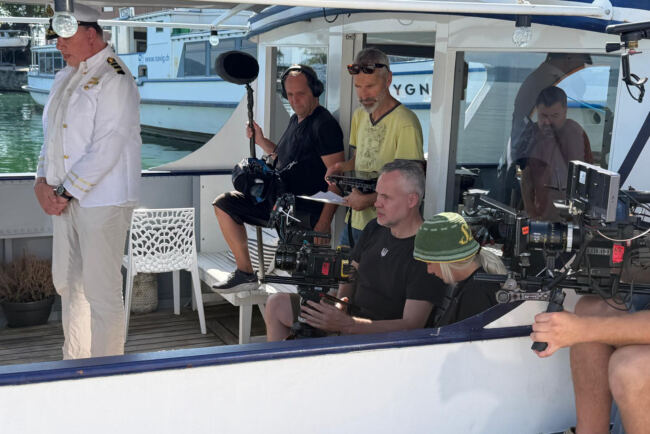
Grand Lac
André Kuenzy et La Fondation Les Perce-Neige
Cinema
From 13.01.27 to 31.12.27
→

C
Grand Lac

LETTRES
Laura Gambarini
Street Arts
13.01.27
→

S
LETTRES
15.01.27

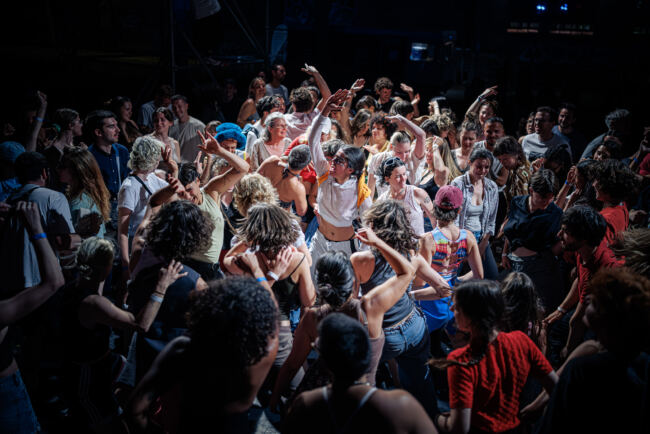
Crowd
Gisèle Vienne
15.01.27 - 19:15
→

Crowd
16.01.27
Crowd
Gisèle Vienne
16.01.27 - 18:15
→
Crowd
24.01.27

Un accrochage capital
Musée des beaux-arts de La Chaux-de-Fonds
From 24.01.27 to 10.10.27
→

Un accrochage capital
Un accrochage capital
Musée des beaux-arts de La Chaux-de-Fonds
24.01.27
→
opening
Un accrochage capital
Un accrochage capital
Musée des beaux-arts de La Chaux-de-Fonds
24.01.27
→
opening
Un accrochage capital
30.01.27

Mystère dans la ruche horlogère : à la recherche de la reine disparue
Association BARAMÔMES
Workshop
Installations
30.01.27 - 10:00
→

W
I
opening
Mystère dans la ruche horlogère : à la recherche de la reine disparue

Bonkers Kidsrave
Zonzo Compagnie
30.01.27 - 11:00
→

Bonkers Kidsrave
Mystère dans la ruche horlogère : à la recherche de la reine disparue
Association BARAMÔMES
Workshop
Installations
From 30.01.27 to 28.02.27
→
W
I
carte blanche
Mystère dans la ruche horlogère : à la recherche de la reine disparue
31.01.27
Bonkers Kidsrave
Zonzo Compagnie
31.01.27 - 11:00
→
Bonkers Kidsrave
Rêver pour de vrai
La Bande de rôles
Exhibitions
Installations
31.01.27
→
E
I
closing
Rêver pour de vrai

Concert d’orgue annuel — Variations Goldberg
Salle de musique de La Chaux-de-Fonds
Musique
10.01.27
↗

On a quelque chose de très important à vous dire
Théâtre ABC
Théâtre
16.01.27
↗

ROBINSON
La Turlutaine
Théâtre
16.01.27
↗

CINÉ-NATURE
Muzoo
Projection
20.01.27
↗

CINÉ-NATURE
Muzoo
Projection
20.01.27
↗

LA FANCIULLA DEL WEST – MET 26-27
Cinéma Scala
Projection
23.01.27
↗

Oiseaux de passage — Natalie Dessay & Philippe Cassard
Salle de musique de La Chaux-de-Fonds
Musique
23.01.27
↗

Nouveaux Talents — Juliette Mey, mezzo-soprano
Salle de musique de La Chaux-de-Fonds
Musique
24.01.27
↗

Concert – Mourir d'amour
Salle de Musique
Musique
28.01.27
↗

Carte blanche au CMNE — Concert des talents et Histoire de cuivres
Salle Faller du Conservatoire de musique neuchâtelois
Musique
31.01.27
↗

Carte blanche au CMNE — LeChœur
Salle de musique de La Chaux-de-Fonds
Musique
31.01.27
↗
temps fort
Patrimoine horloger
Exhibitions
Installations
Performance
From 18.02.27 to 21.02.27
→
 temps fort
Patrimoine horloger
From 18.02.27 to 21.02.27
31.12.26
Bataille de neige
Denis Roueche
Installations
From 31.12.26 to 31.12.27
→
I
Bataille de neige
Rando(m)
Mouvement Studio
Installations
From 31.12.26 to 31.12.27
→
I
Rando(m)
sève
Tobias Gutmann
Installations
From 31.12.26 to 31.12.27
→
I
sève
Sources
Fountain Rose
Installations
From 31.12.26 to 31.12.27
→
I
Sources
Your Turn
Florian Graf
Installations
From 31.12.26 to 31.12.27
→
I
Your Turn
Sound bites
Hannah Weinberger
Installations
From 31.12.26 to 31.12.27
→
I
Sound bites
Cercle 2044 : repenser la ville industrielle
Club 44
From 01.01.27 to 31.12.27
→
Cercle 2044 : repenser la ville industrielle
Ballade invisible sur Calmis
Tenko
Installations
From 03.01.27 to 31.12.27
→
I
Ballade invisible sur Calmis
CHDOITCH
From 03.01.27 to 31.12.27
→
CHDOITCH
Genius Loci
Giona Bierens de Haan
Installations
Performance
From 03.01.27 to 31.12.27
→
I
P
Genius Loci
Les Girouettes
Multiple
Installations
From 03.01.27 to 21.12.27
→
I
Les Girouettes
Grand Lac
André Kuenzy et La Fondation Les Perce-Neige
Cinema
From 13.01.27 to 31.12.27
→
C
Grand Lac
Un accrochage capital
Musée des beaux-arts de La Chaux-de-Fonds
From 24.01.27 to 10.10.27
→
Un accrochage capital
Mystère dans la ruche horlogère : à la recherche de la reine disparue
Association BARAMÔMES
Workshop
Installations
From 30.01.27 to 28.02.27
→
W
I
carte blanche
Mystère dans la ruche horlogère : à la recherche de la reine disparue

En évidence
Collectif Aplusse
From 01.02.27 to 31.10.27
→

En évidence
18.02.27
Patrimoine horloger
Exhibitions
Installations
Performance
18.02.27
→

E
I
P
temps fort
Patrimoine horloger
19.02.27

Mécanique-fiction: La collection Maurice Sandoz
Musée international d'horlogerie
19.02.27 - 18:00
→

opening
Mécanique-fiction: La collection Maurice Sandoz

14e Nuit de la Photo et événements associés
Association Nuit de la Photo
From 19.02.27 to 20.02.27
→

14e Nuit de la Photo et événements associés
Mécanique-fiction: La collection Maurice Sandoz
Musée international d'horlogerie
From 19.02.27 to 07.11.27
→
Mécanique-fiction: La collection Maurice Sandoz

MAKERS Itinérants
Compagnie L'Alakran
19.02.27
→

MAKERS Itinérants
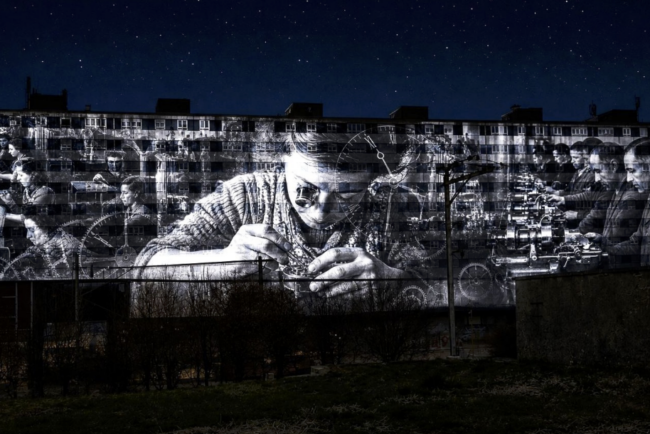
Distillerie d’images
Kolektif Alambik
19.02.27
→
Distillerie d’images
20.02.27
Solo Show Claudia Comte (working title)
Claudia Comte
Exhibitions
Installations
20.02.27 - 18:00
→
E
I
opening
Solo Show Claudia Comte (working title)
Solo Show Claudia Comte (working title)
Claudia Comte
Exhibitions
Installations
From 20.02.27 to 04.04.27
→
E
I
Solo Show Claudia Comte (working title)
26.02.27

There is no alternative
Collectif T.I.N.A
Current Music
From 26.02.27 to 29.03.27
→

C
carte blanche
There is no alternative

"Frontière, une ligne, un mur, une ouverture ? " et "Emilie Gougain – Umarell"
Musée paysan et artisanal
Animation
05.02.27
↗

Frontière, une ligne, un mur, une ouverture ?
Musée paysan et artisanal
Exposition
06.02.27
↗

Emilie Gougain – Umarell
Musée paysan et artisanal
Exposition
06.02.27
↗

T’ES OÙ LOULOU?
La Turlutaine
Théâtre
06.02.27
↗

Orphée aux enfers — Offenbach
Théâtre de L’Heure bleue
Musique
Théâtre
06.02.27
↗

Winterreise — Julian Prégardien & Kristian Bezuidenhout
Salle de musique de La Chaux-de-Fonds
Musique
09.02.27
↗

Zone d’attente
Nouveau Théâtre Besançon
Théâtre
13.02.27
↗

CINÉ-NATURE
Muzoo
Projection
17.02.27
↗

CINÉ-NATURE
Muzoo
Projection
17.02.27
↗

Fazıl Say & Lucienne Renaudin-Vary — création en première suisse
Salle de musique de La Chaux-de-Fonds
Musique
17.02.27
↗

Festival des Minitaines
La Turlutaine
Théâtre
19.02.27
↗

L’« Héroïque » sur instruments d’époque — Les Passions de l’Âme
Salle de musique de La Chaux-de-Fonds
Musique
26.02.27
↗

Nouveaux Talents — Thomas Briant, violon
Salle de musique de La Chaux-de-Fonds
Musique
28.02.27
↗
31.12.26
Bataille de neige
Denis Roueche
Installations
From 31.12.26 to 31.12.27
→
I
Bataille de neige
Rando(m)
Mouvement Studio
Installations
From 31.12.26 to 31.12.27
→
I
Rando(m)
sève
Tobias Gutmann
Installations
From 31.12.26 to 31.12.27
→
I
sève
Sources
Fountain Rose
Installations
From 31.12.26 to 31.12.27
→
I
Sources
Your Turn
Florian Graf
Installations
From 31.12.26 to 31.12.27
→
I
Your Turn
Sound bites
Hannah Weinberger
Installations
From 31.12.26 to 31.12.27
→
I
Sound bites
Cercle 2044 : repenser la ville industrielle
Club 44
From 01.01.27 to 31.12.27
→
Cercle 2044 : repenser la ville industrielle
Ballade invisible sur Calmis
Tenko
Installations
From 03.01.27 to 31.12.27
→
I
Ballade invisible sur Calmis
CHDOITCH
From 03.01.27 to 31.12.27
→
CHDOITCH
Genius Loci
Giona Bierens de Haan
Installations
Performance
From 03.01.27 to 31.12.27
→
I
P
Genius Loci
Les Girouettes
Multiple
Installations
From 03.01.27 to 21.12.27
→
I
Les Girouettes
Grand Lac
André Kuenzy et La Fondation Les Perce-Neige
Cinema
From 13.01.27 to 31.12.27
→
C
Grand Lac
Un accrochage capital
Musée des beaux-arts de La Chaux-de-Fonds
From 24.01.27 to 10.10.27
→
Un accrochage capital
En évidence
Collectif Aplusse
From 01.02.27 to 31.10.27
→
En évidence
Mécanique-fiction: La collection Maurice Sandoz
Musée international d'horlogerie
From 19.02.27 to 07.11.27
→
Mécanique-fiction: La collection Maurice Sandoz
Solo Show Claudia Comte (working title)
Claudia Comte
Exhibitions
Installations
From 20.02.27 to 04.04.27
→
E
I
Solo Show Claudia Comte (working title)
There is no alternative
Collectif T.I.N.A
Current Music
From 26.02.27 to 29.03.27
→
C
carte blanche
There is no alternative
04.03.27

Yaya Luisa
La Compagnie Evaprod et La Compagnie Mandragore
04.03.27
→

Yaya Luisa
05.03.27
Yaya Luisa
La Compagnie Evaprod et La Compagnie Mandragore
05.03.27
→
Yaya Luisa
06.03.27
Yaya Luisa
La Compagnie Evaprod et La Compagnie Mandragore
06.03.27
→
Yaya Luisa
11.03.27
Yaya Luisa
La Compagnie Evaprod et La Compagnie Mandragore
11.03.27
→
Yaya Luisa
12.03.27
Yaya Luisa
La Compagnie Evaprod et La Compagnie Mandragore
12.03.27
→
Yaya Luisa
13.03.27
Yaya Luisa
La Compagnie Evaprod et La Compagnie Mandragore
13.03.27
→
Yaya Luisa
17.03.27
Yaya Luisa
La Compagnie Evaprod et La Compagnie Mandragore
17.03.27
→
Yaya Luisa
18.03.27
Yaya Luisa
La Compagnie Evaprod et La Compagnie Mandragore
18.03.27
→
Yaya Luisa
19.03.27
Yaya Luisa
La Compagnie Evaprod et La Compagnie Mandragore
19.03.27
→
Yaya Luisa
20.03.27
Lundis bleus
SIGMASIX
20.03.27 - 11:00
→
opening
Lundis bleus
Yaya Luisa
La Compagnie Evaprod et La Compagnie Mandragore
20.03.27
→
Yaya Luisa

ÉQUINOCE
20.03.27
→

ÉQUINOCE
Lundis bleus
SIGMASIX
From 20.03.27 to 21.11.27
→
Lundis bleus
24.03.27
Yaya Luisa
La Compagnie Evaprod et La Compagnie Mandragore
24.03.27
→
Yaya Luisa
25.03.27
Yaya Luisa
La Compagnie Evaprod et La Compagnie Mandragore
25.03.27
→
Yaya Luisa
26.03.27
Yaya Luisa
La Compagnie Evaprod et La Compagnie Mandragore
26.03.27
→
Yaya Luisa
27.03.27
Yaya Luisa
La Compagnie Evaprod et La Compagnie Mandragore
27.03.27
→
Yaya Luisa
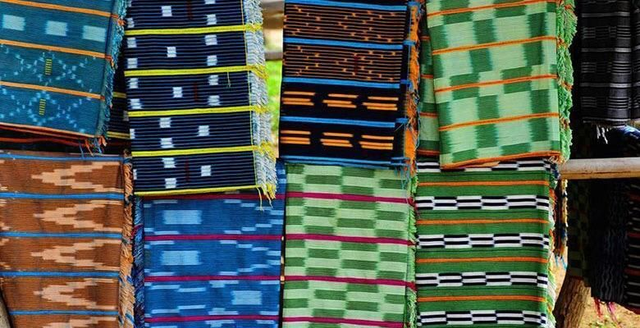
Racines profondes, horizons infinis
La Fédération Africaine des Montagnes Neuchâteloises
Workshop
Conferences
Exhibitions
From 27.03.27 to 02.05.27
→

W
C
E
carte blanche
Racines profondes, horizons infinis
28.03.27
Yaya Luisa
La Compagnie Evaprod et La Compagnie Mandragore
28.03.27
→
Yaya Luisa

Dîner tripes à la neuchâteloise pour fêter la République
Musée paysan et artisanal
Animation
01.03.27
↗

ALICE ET LA LUNE DES DRAGONS
La Turlutaine
Théâtre
03.03.27
↗

Mao Fujita & l’Orchestre de la Suisse Romande
Salle de musique de La Chaux-de-Fonds
Musique
12.03.27
↗

Nouveaux Talents — Loewe Quartet
Salle de musique de La Chaux-de-Fonds
Musique
14.03.27
↗

LA TERRE GELÉE DE ZIMSKOÏE
La Turlutaine
Théâtre
20.03.27
↗

SILENT NIGHT – MET 26-27
Cinéma Scala
Projection
20.03.27
↗

Daniel Lozakovich — Bach, violon seul
Salle de musique de La Chaux-de-Fonds
Musique
24.03.27
↗
31.12.26
Bataille de neige
Denis Roueche
Installations
From 31.12.26 to 31.12.27
→
I
Bataille de neige
Rando(m)
Mouvement Studio
Installations
From 31.12.26 to 31.12.27
→
I
Rando(m)
sève
Tobias Gutmann
Installations
From 31.12.26 to 31.12.27
→
I
sève
Sources
Fountain Rose
Installations
From 31.12.26 to 31.12.27
→
I
Sources
Your Turn
Florian Graf
Installations
From 31.12.26 to 31.12.27
→
I
Your Turn
Sound bites
Hannah Weinberger
Installations
From 31.12.26 to 31.12.27
→
I
Sound bites
Cercle 2044 : repenser la ville industrielle
Club 44
From 01.01.27 to 31.12.27
→
Cercle 2044 : repenser la ville industrielle
Ballade invisible sur Calmis
Tenko
Installations
From 03.01.27 to 31.12.27
→
I
Ballade invisible sur Calmis
CHDOITCH
From 03.01.27 to 31.12.27
→
CHDOITCH
Genius Loci
Giona Bierens de Haan
Installations
Performance
From 03.01.27 to 31.12.27
→
I
P
Genius Loci
Les Girouettes
Multiple
Installations
From 03.01.27 to 21.12.27
→
I
Les Girouettes
Grand Lac
André Kuenzy et La Fondation Les Perce-Neige
Cinema
From 13.01.27 to 31.12.27
→
C
Grand Lac
Un accrochage capital
Musée des beaux-arts de La Chaux-de-Fonds
From 24.01.27 to 10.10.27
→
Un accrochage capital
En évidence
Collectif Aplusse
From 01.02.27 to 31.10.27
→
En évidence
Mécanique-fiction: La collection Maurice Sandoz
Musée international d'horlogerie
From 19.02.27 to 07.11.27
→
Mécanique-fiction: La collection Maurice Sandoz
Solo Show Claudia Comte (working title)
Claudia Comte
Exhibitions
Installations
From 20.02.27 to 04.04.27
→
E
I
Solo Show Claudia Comte (working title)
Lundis bleus
SIGMASIX
From 20.03.27 to 21.11.27
→
Lundis bleus
Racines profondes, horizons infinis
La Fédération Africaine des Montagnes Neuchâteloises
Workshop
Conferences
Exhibitions
From 27.03.27 to 02.05.27
→
W
C
E
carte blanche
Racines profondes, horizons infinis
08.04.27
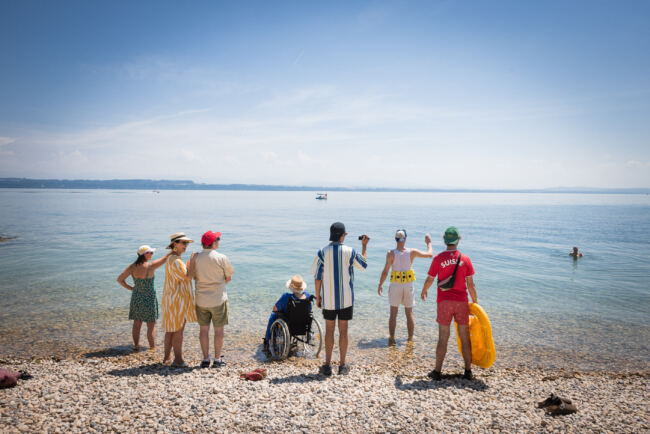
Déluge
Juliette Vernerey
Theater
08.04.27 - 19:15
→
T
Déluge
temps fort humour
08.04.27
→
temps fort humour
09.04.27
Déluge
Juliette Vernerey
Theater
09.04.27 - 19:15
→
T
Déluge

Ragnar Kjartansson – The Visitors
Migros Museum für Gegenwartskunst
09.04.27
→

Ragnar Kjartansson – The Visitors
10.04.27
Déluge
Juliette Vernerey
Theater
10.04.27 - 18:15
→
T
Déluge
11.04.27
Déluge
Juliette Vernerey
Theater
11.04.27 - 17:15
→
T
Déluge
15.04.27
Déluge
Juliette Vernerey
Theater
15.04.27 - 19:15
→
T
Déluge
16.04.27
Déluge
Juliette Vernerey
Theater
16.04.27 - 19:15
→
T
Déluge
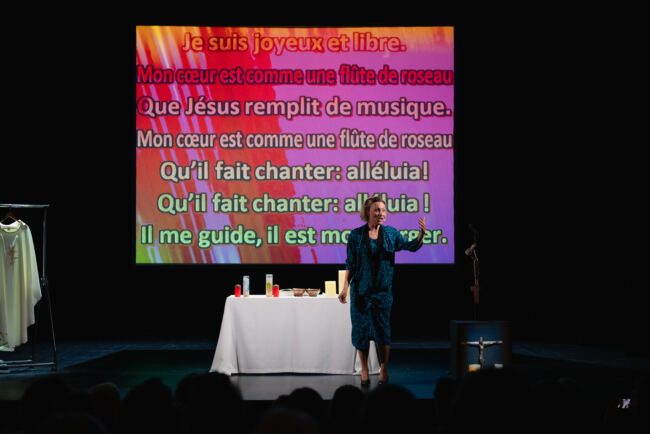
Alcôves
La Compagnie Provisoire
Theater
16.04.27
→
T
Alcôves
17.04.27
Déluge
Juliette Vernerey
Theater
17.04.27 - 18:15
→
T
Déluge
Alcôves
La Compagnie Provisoire
Theater
17.04.27
→
T
Alcôves
18.04.27
Déluge
Juliette Vernerey
Theater
18.04.27 - 17:15
→
T
Déluge
19.04.27
Alcôves
La Compagnie Provisoire
Theater
19.04.27
→
T
Alcôves
20.04.27
Alcôves
La Compagnie Provisoire
Theater
20.04.27
→
T
Alcôves
23.04.27
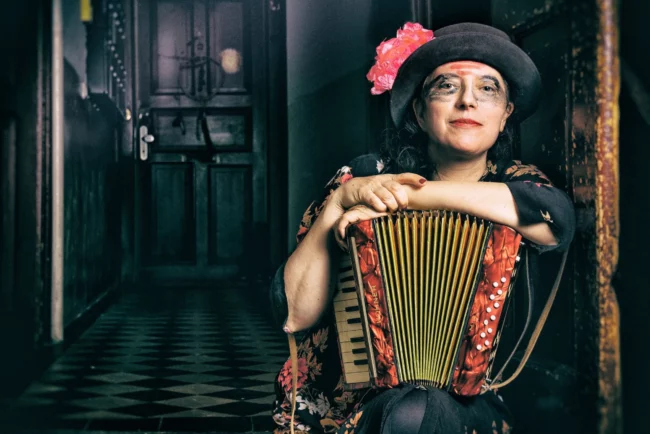
Erika Stucky’s Queen Of F*cking Everything — 44 years On Tour
Erika Stucky
Classical and Contemporary Music
23.04.27
→
C
Erika Stucky’s Queen Of F*cking Everything — 44 years On Tour
24.04.27
PAIX
Tiphanie Bovay-Klameth
24.04.27 - 20:15
→
PAIX
28.04.27

Les Amplitudes Maja S.K.Ratkje
Association Pôle Nord
From 28.04.27 to 02.05.27
→

Les Amplitudes Maja S.K.Ratkje
30.04.27

Hyperdrome
Les Hyperartistes
Installations
Performance
From 30.04.27 to 23.05.27
→

I
P
carte blanche
Hyperdrome

(Presque) la vie de Blaise Cendrars
Les Batteurs de Pavés
30.04.27
→

(Presque) la vie de Blaise Cendrars

Folk’Sons
Le Conservatoire de musique neuchâtelois et la Haute École de musique de Genève
30.04.27
→

Folk’Sons

MANON – MET 26-27
Cinéma Scala
Projection
03.04.27
↗

OPUS 0
Théâtre des Abeilles
Musique
08.04.27
↗

Sheku Kanneh-Mason & Benjamin Grosvenor
Salle de musique de La Chaux-de-Fonds
Musique
15.04.27
↗

Renaud Capuçon & Mao Fujita
Salle de musique de La Chaux-de-Fonds
Musique
22.04.27
↗

Hyper Bazar
Plein air
Animation
24.04.27
↗

LES FABLES DE LA SAVANE
La Turlutaine
Théâtre
24.04.27
↗

OTELLO – MET 26-27
Cinéma Scala
Projection
24.04.27
↗

Nouveaux Talents — Maciej Skrzeczkowski, clavecin
Salle de musique de La Chaux-de-Fonds
Musique
25.04.27
↗

NATIONAL ANTHEMS
Temple Allemand
Musique
28.04.27
↗
31.12.26
Bataille de neige
Denis Roueche
Installations
From 31.12.26 to 31.12.27
→
I
Bataille de neige
Rando(m)
Mouvement Studio
Installations
From 31.12.26 to 31.12.27
→
I
Rando(m)
sève
Tobias Gutmann
Installations
From 31.12.26 to 31.12.27
→
I
sève
Sources
Fountain Rose
Installations
From 31.12.26 to 31.12.27
→
I
Sources
Your Turn
Florian Graf
Installations
From 31.12.26 to 31.12.27
→
I
Your Turn
Sound bites
Hannah Weinberger
Installations
From 31.12.26 to 31.12.27
→
I
Sound bites
Cercle 2044 : repenser la ville industrielle
Club 44
From 01.01.27 to 31.12.27
→
Cercle 2044 : repenser la ville industrielle
Ballade invisible sur Calmis
Tenko
Installations
From 03.01.27 to 31.12.27
→
I
Ballade invisible sur Calmis
CHDOITCH
From 03.01.27 to 31.12.27
→
CHDOITCH
Genius Loci
Giona Bierens de Haan
Installations
Performance
From 03.01.27 to 31.12.27
→
I
P
Genius Loci
Les Girouettes
Multiple
Installations
From 03.01.27 to 21.12.27
→
I
Les Girouettes
Grand Lac
André Kuenzy et La Fondation Les Perce-Neige
Cinema
From 13.01.27 to 31.12.27
→
C
Grand Lac
Un accrochage capital
Musée des beaux-arts de La Chaux-de-Fonds
From 24.01.27 to 10.10.27
→
Un accrochage capital
En évidence
Collectif Aplusse
From 01.02.27 to 31.10.27
→
En évidence
Mécanique-fiction: La collection Maurice Sandoz
Musée international d'horlogerie
From 19.02.27 to 07.11.27
→
Mécanique-fiction: La collection Maurice Sandoz
Lundis bleus
SIGMASIX
From 20.03.27 to 21.11.27
→
Lundis bleus
Racines profondes, horizons infinis
La Fédération Africaine des Montagnes Neuchâteloises
Workshop
Conferences
Exhibitions
From 27.03.27 to 02.05.27
→
W
C
E
carte blanche
Racines profondes, horizons infinis
Les Amplitudes Maja S.K.Ratkje
Association Pôle Nord
From 28.04.27 to 02.05.27
→
Les Amplitudes Maja S.K.Ratkje
Hyperdrome
Les Hyperartistes
Installations
Performance
From 30.04.27 to 23.05.27
→
I
P
carte blanche
Hyperdrome
(Presque) la vie de Blaise Cendrars
Les Batteurs de Pavés
01.05.27
→
(Presque) la vie de Blaise Cendrars
08.05.27

Sous les pavés, les voix
CantAmille
08.05.27 - 18:00
→

Sous les pavés, les voix
09.05.27
Sous les pavés, les voix
CantAmille
09.05.27 - 11:00
→
Sous les pavés, les voix
14.05.27

Sortez vos bleus!
Association Elan
14.05.27 - 19:30
→

Sortez vos bleus!
15.05.27
Sortez vos bleus!
Association Elan
15.05.27 - 15:00
→
Sortez vos bleus!
21.05.27

35 ans de Bikini Test
Bikini Test
21.05.27 - 17:00
→

35 ans de Bikini Test
22.05.27
35 ans de Bikini Test
Bikini Test
22.05.27 - 12:00
→
35 ans de Bikini Test
28.05.27

Chantier participatif au skate park
Association Park n’Sun
Workshop
Exhibitions
From 28.05.27 to 26.06.27
→

W
E
carte blanche
Chantier participatif au skate park

ACCORD CABOCHE
La Turlutaine
Théâtre
01.05.27
↗

Driftwoods
Temple Allemand
Musique
02.05.27
↗

Driftwood — Nordic Affect
Salle de musique de La Chaux-de-Fonds
Musique
02.05.27
↗

Journées Suisses de l’Espéranto
Salle de Paroisse Notre – Dame de la Paix
Animation
06.05.27
↗

Nouveaux Talents — Trio Archai
Salle de musique de La Chaux-de-Fonds
Musique
09.05.27
↗

Fête de la danse — La Chaux-de-Fonds
Divers lieux
Danse
19.05.27
↗

Antigone à la nuit
Beau-Site
Théâtre
20.05.27
↗

À L’HEURE DU THÉ
La Turlutaine
Théâtre
21.05.27
↗

Notre-Dame de Paris par les Ados d'Evaprod
Théâtre des Abeilles
Danse
Musique
Théâtre
21.05.27
↗

Nuit des musées : Jouons avec la frontière, animations pour la nuit
Musée paysan et artisanal
Animation
22.05.27
↗

Journée des musées : Jouons avec la frontière
Musée paysan et artisanal
Animation
23.05.27
↗

FERRAILLE ET IDÉAL
Temple Allemand
Musique
28.05.27
↗

FERRAILLE ET IDÉAL
Temple Allemand
Musique
28.05.27
↗
temps fort
ULTRA FROID MEGA LOIN
ULTRA FROID MEGA LOIN FESTIVAL
Current Music
From 03.06.27 to 05.06.27
→
 temps fort
ULTRA FROID MEGA LOIN
ULTRA FROID MEGA LOIN FESTIVAL
From 03.06.27 to 05.06.27
temps fort
Rue de la Serre DIY
Street Arts
Workshop
Conferences
Current Music
From 18.06.27 to 20.06.27
→
 temps fort
Rue de la Serre DIY
From 18.06.27 to 20.06.27
31.12.26
Bataille de neige
Denis Roueche
Installations
From 31.12.26 to 31.12.27
→
I
Bataille de neige
Rando(m)
Mouvement Studio
Installations
From 31.12.26 to 31.12.27
→
I
Rando(m)
sève
Tobias Gutmann
Installations
From 31.12.26 to 31.12.27
→
I
sève
Sources
Fountain Rose
Installations
From 31.12.26 to 31.12.27
→
I
Sources
Your Turn
Florian Graf
Installations
From 31.12.26 to 31.12.27
→
I
Your Turn
Sound bites
Hannah Weinberger
Installations
From 31.12.26 to 31.12.27
→
I
Sound bites
Cercle 2044 : repenser la ville industrielle
Club 44
From 01.01.27 to 31.12.27
→
Cercle 2044 : repenser la ville industrielle
Ballade invisible sur Calmis
Tenko
Installations
From 03.01.27 to 31.12.27
→
I
Ballade invisible sur Calmis
CHDOITCH
From 03.01.27 to 31.12.27
→
CHDOITCH
Genius Loci
Giona Bierens de Haan
Installations
Performance
From 03.01.27 to 31.12.27
→
I
P
Genius Loci
Les Girouettes
Multiple
Installations
From 03.01.27 to 21.12.27
→
I
Les Girouettes
Grand Lac
André Kuenzy et La Fondation Les Perce-Neige
Cinema
From 13.01.27 to 31.12.27
→
C
Grand Lac
Un accrochage capital
Musée des beaux-arts de La Chaux-de-Fonds
From 24.01.27 to 10.10.27
→
Un accrochage capital
En évidence
Collectif Aplusse
From 01.02.27 to 31.10.27
→
En évidence
Mécanique-fiction: La collection Maurice Sandoz
Musée international d'horlogerie
From 19.02.27 to 07.11.27
→
Mécanique-fiction: La collection Maurice Sandoz
Lundis bleus
SIGMASIX
From 20.03.27 to 21.11.27
→
Lundis bleus
Chantier participatif au skate park
Association Park n’Sun
Workshop
Exhibitions
From 28.05.27 to 26.06.27
→
W
E
carte blanche
Chantier participatif au skate park

Le petit train touristique dans les 3 langues
Camille Mermet
From 01.06.27 to 25.09.27
→

Le petit train touristique dans les 3 langues

Avant de mourir
Association pour le développement des soins palliatifs BEJUNE
From 01.06.27 to 30.06.27
→

Avant de mourir
03.06.27

Îles
Le Laboratoire ALICE – EPFL
03.06.27 - 17:00
→

opening
Îles

Shifting forms «snail tour»
elie zoé
03.06.27
→

Shifting forms «snail tour»
ULTRA FROID MEGA LOIN
ULTRA FROID MEGA LOIN FESTIVAL
Current Music
From 03.06.27 to 05.06.27
→

C
temps fort
ULTRA FROID MEGA LOIN
Îles
Le Laboratoire ALICE – EPFL
From 03.06.27 to 21.10.27
→
Îles
17.06.27

BUBBLE GUM PARADISE
Augustin Rebetez
17.06.27 - 17:00
→

opening
BUBBLE GUM PARADISE
BUBBLE GUM PARADISE
Augustin Rebetez
From 17.06.27 to 11.07.27
→
BUBBLE GUM PARADISE
18.06.27

Réserve urbaine
Louis Jucker
18.06.27 - 18:00
→

Réserve urbaine
Rue de la Serre DIY
Street Arts
Workshop
Conferences
Current Music
From 18.06.27 to 20.06.27
→

S
W
C
C
temps fort
Rue de la Serre DIY
25.06.27

The Wash-Machine (working title)
The Watchmaking Metropolis Orchestra
Current Music
From 25.06.27 to 01.08.27
→

C
carte blanche
The Wash-Machine (working title)
26.06.27
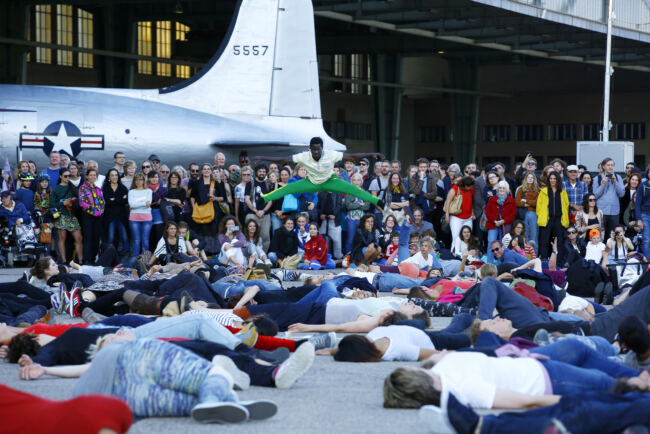
DANCEGROUND
Boris Charmatz | Terrain
26.06.27 - 16:00
→
DANCEGROUND
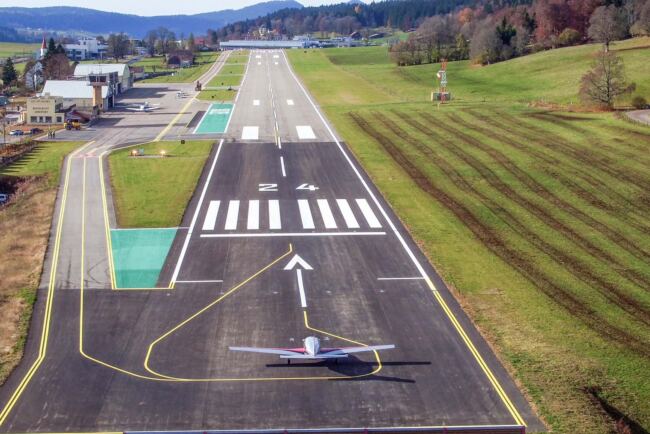
Tarmac de nuit
Paléo Festival
26.06.27 - 22:00
→
Tarmac de nuit

L’indécision manifeste
Quartier Général
From 26.06.27 to 29.08.27
→

L’indécision manifeste
L’indécision manifeste
Quartier Général
26.06.27
→
opening
L’indécision manifeste
30.06.27

Lisières
Manticore
Street Arts
30.06.27 - 15:30
→

S
opening
Lisières

Fête de la bière, La Chaux-de-Fonds
Espacité
Animation
Musique
03.06.27
↗

Florent Dubois – Sous le manteau
Musée paysan et artisanal
Animation
04.06.27
↗

Florent Dubois – Sous le manteau
Musée paysan et artisanal
Exposition
05.06.27
↗

PARSIFAL – MET 26-27
Cinéma Scala
Projection
05.06.27
↗

Concert – Beethoven IX
Salle de Musique
Musique
19.06.27
↗
temps fort
Open air Locarno Film Festival
Cinema
From 14.07.27 to 18.07.27
→
 temps fort
Open air Locarno Film Festival
From 14.07.27 to 18.07.27
31.12.26
Bataille de neige
Denis Roueche
Installations
From 31.12.26 to 31.12.27
→
I
Bataille de neige
Rando(m)
Mouvement Studio
Installations
From 31.12.26 to 31.12.27
→
I
Rando(m)
sève
Tobias Gutmann
Installations
From 31.12.26 to 31.12.27
→
I
sève
Sources
Fountain Rose
Installations
From 31.12.26 to 31.12.27
→
I
Sources
Your Turn
Florian Graf
Installations
From 31.12.26 to 31.12.27
→
I
Your Turn
Sound bites
Hannah Weinberger
Installations
From 31.12.26 to 31.12.27
→
I
Sound bites
Cercle 2044 : repenser la ville industrielle
Club 44
From 01.01.27 to 31.12.27
→
Cercle 2044 : repenser la ville industrielle
Ballade invisible sur Calmis
Tenko
Installations
From 03.01.27 to 31.12.27
→
I
Ballade invisible sur Calmis
CHDOITCH
From 03.01.27 to 31.12.27
→
CHDOITCH
Genius Loci
Giona Bierens de Haan
Installations
Performance
From 03.01.27 to 31.12.27
→
I
P
Genius Loci
Les Girouettes
Multiple
Installations
From 03.01.27 to 21.12.27
→
I
Les Girouettes
Grand Lac
André Kuenzy et La Fondation Les Perce-Neige
Cinema
From 13.01.27 to 31.12.27
→
C
Grand Lac
Un accrochage capital
Musée des beaux-arts de La Chaux-de-Fonds
From 24.01.27 to 10.10.27
→
Un accrochage capital
En évidence
Collectif Aplusse
From 01.02.27 to 31.10.27
→
En évidence
Mécanique-fiction: La collection Maurice Sandoz
Musée international d'horlogerie
From 19.02.27 to 07.11.27
→
Mécanique-fiction: La collection Maurice Sandoz
Lundis bleus
SIGMASIX
From 20.03.27 to 21.11.27
→
Lundis bleus
Le petit train touristique dans les 3 langues
Camille Mermet
From 01.06.27 to 25.09.27
→
Le petit train touristique dans les 3 langues
Îles
Le Laboratoire ALICE – EPFL
From 03.06.27 to 21.10.27
→
Îles
BUBBLE GUM PARADISE
Augustin Rebetez
From 17.06.27 to 11.07.27
→
BUBBLE GUM PARADISE
The Wash-Machine (working title)
The Watchmaking Metropolis Orchestra
Current Music
From 25.06.27 to 01.08.27
→
C
carte blanche
The Wash-Machine (working title)
L’indécision manifeste
Quartier Général
From 26.06.27 to 29.08.27
→
L’indécision manifeste
Lisières
Manticore
Street Arts
From 01.07.27 to 31.07.27
→
S
Lisières
03.07.27

Hibernatus Fest
Hibernatus Fest
03.07.27 - 14:00
→

Hibernatus Fest
14.07.27
Open air Locarno Film Festival
Cinema
14.07.27
→

C
temps fort
Open air Locarno Film Festival
26.07.27

Des fils pour tisser du lien
fondation Ton sur Ton
26.07.27
→

Des fils pour tisser du lien
30.07.27

Génisse en fuite
Bureaux d’architecture Maclver-Ek Chevroulet et Marginalia
Installations
From 30.07.27 to 29.08.27
→

I
carte blanche
Génisse en fuite
Nothing else announced for this month.
temps fort
Rue, piste, plateau
Street Arts
Circus
Theater
From 02.08.27 to 05.09.27
→
temps fort
Rue, piste, plateau
From 02.08.27 to 05.09.27
31.12.26
Bataille de neige
Denis Roueche
Installations
From 31.12.26 to 31.12.27
→
I
Bataille de neige
Rando(m)
Mouvement Studio
Installations
From 31.12.26 to 31.12.27
→
I
Rando(m)
sève
Tobias Gutmann
Installations
From 31.12.26 to 31.12.27
→
I
sève
Sources
Fountain Rose
Installations
From 31.12.26 to 31.12.27
→
I
Sources
Your Turn
Florian Graf
Installations
From 31.12.26 to 31.12.27
→
I
Your Turn
Sound bites
Hannah Weinberger
Installations
From 31.12.26 to 31.12.27
→
I
Sound bites
Cercle 2044 : repenser la ville industrielle
Club 44
From 01.01.27 to 31.12.27
→
Cercle 2044 : repenser la ville industrielle
Ballade invisible sur Calmis
Tenko
Installations
From 03.01.27 to 31.12.27
→
I
Ballade invisible sur Calmis
CHDOITCH
From 03.01.27 to 31.12.27
→
CHDOITCH
Genius Loci
Giona Bierens de Haan
Installations
Performance
From 03.01.27 to 31.12.27
→
I
P
Genius Loci
Les Girouettes
Multiple
Installations
From 03.01.27 to 21.12.27
→
I
Les Girouettes
Grand Lac
André Kuenzy et La Fondation Les Perce-Neige
Cinema
From 13.01.27 to 31.12.27
→
C
Grand Lac
Un accrochage capital
Musée des beaux-arts de La Chaux-de-Fonds
From 24.01.27 to 10.10.27
→
Un accrochage capital
En évidence
Collectif Aplusse
From 01.02.27 to 31.10.27
→
En évidence
Mécanique-fiction: La collection Maurice Sandoz
Musée international d'horlogerie
From 19.02.27 to 07.11.27
→
Mécanique-fiction: La collection Maurice Sandoz
Lundis bleus
SIGMASIX
From 20.03.27 to 21.11.27
→
Lundis bleus
Le petit train touristique dans les 3 langues
Camille Mermet
From 01.06.27 to 25.09.27
→
Le petit train touristique dans les 3 langues
Îles
Le Laboratoire ALICE – EPFL
From 03.06.27 to 21.10.27
→
Îles
The Wash-Machine (working title)
The Watchmaking Metropolis Orchestra
Current Music
From 25.06.27 to 01.08.27
→
C
carte blanche
The Wash-Machine (working title)
L’indécision manifeste
Quartier Général
From 26.06.27 to 29.08.27
→
L’indécision manifeste
Génisse en fuite
Bureaux d’architecture Maclver-Ek Chevroulet et Marginalia
Installations
From 30.07.27 to 29.08.27
→
I
carte blanche
Génisse en fuite
02.08.27
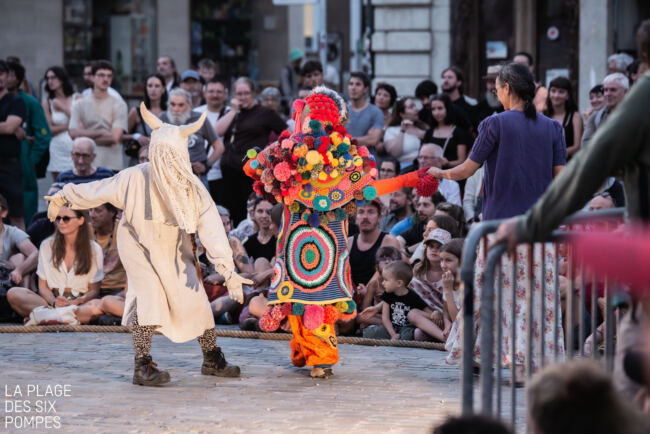
La Plage des Six Pompes
Association Agora
From 02.08.27 to 07.08.27
→
La Plage des Six Pompes
Rue, piste, plateau
Street Arts
Circus
Theater
From 02.08.27 to 05.09.27
→
S
C
T
temps fort
Rue, piste, plateau
05.08.27
Village de chapiteaux
Street Arts
Circus
05.08.27
→
S
C
Village de chapiteaux

Face à face
Maélie Palomo
05.08.27
→

Face à face
11.08.27

Les feux de la liberté
Anne Bisang
11.08.27 - 20:30
→

Les feux de la liberté
12.08.27
Les feux de la liberté
Anne Bisang
12.08.27 - 20:30
→
Les feux de la liberté
13.08.27
Les feux de la liberté
Anne Bisang
13.08.27 - 20:30
→
Les feux de la liberté


temps fort
Schubertiade RTS Espace 2
RTS – Radio Télévision Suisse
Classical and Contemporary Music
From 11.09.27 to 12.09.27
→
 temps fort
Schubertiade RTS Espace 2
RTS – Radio Télévision Suisse
From 11.09.27 to 12.09.27
31.12.26
Bataille de neige
Denis Roueche
Installations
From 31.12.26 to 31.12.27
→
I
Bataille de neige
Rando(m)
Mouvement Studio
Installations
From 31.12.26 to 31.12.27
→
I
Rando(m)
sève
Tobias Gutmann
Installations
From 31.12.26 to 31.12.27
→
I
sève
Sources
Fountain Rose
Installations
From 31.12.26 to 31.12.27
→
I
Sources
Your Turn
Florian Graf
Installations
From 31.12.26 to 31.12.27
→
I
Your Turn
Sound bites
Hannah Weinberger
Installations
From 31.12.26 to 31.12.27
→
I
Sound bites
Cercle 2044 : repenser la ville industrielle
Club 44
From 01.01.27 to 31.12.27
→
Cercle 2044 : repenser la ville industrielle
Ballade invisible sur Calmis
Tenko
Installations
From 03.01.27 to 31.12.27
→
I
Ballade invisible sur Calmis
CHDOITCH
From 03.01.27 to 31.12.27
→
CHDOITCH
Genius Loci
Giona Bierens de Haan
Installations
Performance
From 03.01.27 to 31.12.27
→
I
P
Genius Loci
Les Girouettes
Multiple
Installations
From 03.01.27 to 21.12.27
→
I
Les Girouettes
Grand Lac
André Kuenzy et La Fondation Les Perce-Neige
Cinema
From 13.01.27 to 31.12.27
→
C
Grand Lac
Un accrochage capital
Musée des beaux-arts de La Chaux-de-Fonds
From 24.01.27 to 10.10.27
→
Un accrochage capital
En évidence
Collectif Aplusse
From 01.02.27 to 31.10.27
→
En évidence
Mécanique-fiction: La collection Maurice Sandoz
Musée international d'horlogerie
From 19.02.27 to 07.11.27
→
Mécanique-fiction: La collection Maurice Sandoz
Lundis bleus
SIGMASIX
From 20.03.27 to 21.11.27
→
Lundis bleus
Le petit train touristique dans les 3 langues
Camille Mermet
From 01.06.27 to 25.09.27
→
Le petit train touristique dans les 3 langues
Îles
Le Laboratoire ALICE – EPFL
From 03.06.27 to 21.10.27
→
Îles
Rue, piste, plateau
Street Arts
Circus
Theater
From 02.08.27 to 05.09.27
→
S
C
T
temps fort
Rue, piste, plateau
06.09.27

Challenge InnoCité
06.09.27
→

Challenge InnoCité
10.09.27

OHÉ HO!
Feminist Alpine Club
10.09.27
→

OHÉ HO!
11.09.27
OHÉ HO!
Feminist Alpine Club
11.09.27
→
OHÉ HO!
Schubertiade RTS Espace 2
RTS – Radio Télévision Suisse
Classical and Contemporary Music
From 11.09.27 to 12.09.27
→

C
temps fort
Schubertiade RTS Espace 2
16.09.27

Une ampoule dans la tête
Compagnie de l'Au-de l'Astre
16.09.27
→

Une ampoule dans la tête
17.09.27

Jazz à la Maison blanche
Association Maison blanche
17.09.27
→

Jazz à la Maison blanche
18.09.27
Jazz à la Maison blanche
Association Maison blanche
18.09.27
→
Jazz à la Maison blanche
25.09.27
Hibernatus Fest
Hibernatus Fest
25.09.27 - 19:00
→
Hibernatus Fest
26.09.27
Hibernatus Fest
Hibernatus Fest
26.09.27 - 19:00
→
Hibernatus Fest
Nothing else announced for this month.
31.12.26
Bataille de neige
Denis Roueche
Installations
From 31.12.26 to 31.12.27
→
I
Bataille de neige
Rando(m)
Mouvement Studio
Installations
From 31.12.26 to 31.12.27
→
I
Rando(m)
sève
Tobias Gutmann
Installations
From 31.12.26 to 31.12.27
→
I
sève
Sources
Fountain Rose
Installations
From 31.12.26 to 31.12.27
→
I
Sources
Your Turn
Florian Graf
Installations
From 31.12.26 to 31.12.27
→
I
Your Turn
Sound bites
Hannah Weinberger
Installations
From 31.12.26 to 31.12.27
→
I
Sound bites
Cercle 2044 : repenser la ville industrielle
Club 44
From 01.01.27 to 31.12.27
→
Cercle 2044 : repenser la ville industrielle
Ballade invisible sur Calmis
Tenko
Installations
From 03.01.27 to 31.12.27
→
I
Ballade invisible sur Calmis
CHDOITCH
From 03.01.27 to 31.12.27
→
CHDOITCH
Genius Loci
Giona Bierens de Haan
Installations
Performance
From 03.01.27 to 31.12.27
→
I
P
Genius Loci
Les Girouettes
Multiple
Installations
From 03.01.27 to 21.12.27
→
I
Les Girouettes
Grand Lac
André Kuenzy et La Fondation Les Perce-Neige
Cinema
From 13.01.27 to 31.12.27
→
C
Grand Lac
Un accrochage capital
Musée des beaux-arts de La Chaux-de-Fonds
From 24.01.27 to 10.10.27
→
Un accrochage capital
En évidence
Collectif Aplusse
From 01.02.27 to 31.10.27
→
En évidence
Mécanique-fiction: La collection Maurice Sandoz
Musée international d'horlogerie
From 19.02.27 to 07.11.27
→
Mécanique-fiction: La collection Maurice Sandoz
Lundis bleus
SIGMASIX
From 20.03.27 to 21.11.27
→
Lundis bleus
Îles
Le Laboratoire ALICE – EPFL
From 03.06.27 to 21.10.27
→
Îles

L’Envers du décor
NIFFF, 2300 Plan 9, Ciné-Club du Locle et La Lanterne Magique
Cinema
From 01.10.27 to 24.10.27
→

C
carte blanche
L’Envers du décor
22.10.27

La Veilleuse
Julie Houriet Salomon et Virginie Rebetez
Installations
Performance
From 22.10.27 to 28.11.27
→

I
P
carte blanche
La Veilleuse

HAK IRAH
La Mort Subite – Bar sportif
Musique
02.10.26
↗

La Perruche
Zap Théâtre
Théâtre
02.10.26
↗

All Michael Rock Band -Live-
Entourloop Bar
Animation
Musique
Projection
02.10.26
↗

La fête au Musée paysan et artisanal
Musée paysan et artisanal
Animation
03.10.26
↗

orlando brikolo
Théâtre ABC
Musique
03.10.26
↗

COSI FAN TUTTE – MET 26-27
Cinéma Scala
Projection
03.10.26
↗

ATTIC FOUNDATION (CH/VERNISSAGE) + CHAMINDA SOUNDSYSTEM (CH)
Bikini Test
Musique
03.10.26
↗

MAP / MUSIC ACTION PAINTING
Temple Allemand
Musique
03.10.26
↗

Soirée Karaoké avec Valou Event
Entourloop Bar
Animation
Musique
Projection
03.10.26
↗

La caricature : une arme politique redoutable, de Daumier à Charlie Hebdo
Aula du CPNE
Animation
06.10.26
↗

ANIMERCREDI "LA NAISSANCE DE KITARO : LE MYSTERE DE GEGEGE"
Cinepel SA
Projection
07.10.26
↗

LIVE BEATSET + OPEN MIC avec FARAWAN
La Mort Subite – Bar sportif
Musique
Animation
09.10.26
↗
One Shot impro
Entourloop Bar
Animation
Musique
Projection
09.10.26
↗

One shot Impro Entourloop
L’Entourloop
Théâtre
09.10.26
↗

Atelier créatif pour enfants
Musée des Beaux-Arts de La Chaux-de-Fonds
Animation
10.10.26
↗
christopheschindler_-_web.jpeg)
Nuit de Contes 2026
Théâtre des Abeilles
Littérature
Théâtre
10.10.26
↗

Cave N'Bass
Entourloop Bar
Animation
Musique
Projection
10.10.26
↗

Viens manger chez moi ! – Avec Raúl Pagès, horloger
Musée des Beaux-Arts de La Chaux-de-Fonds
Animation
13.10.26
↗

Impacts des changements climatiques sur les forêts
Aula du CPNE
Animation
13.10.26
↗

Mardis Jazz #49 Olivier Magarotto
Villa Numa
Musique
13.10.26
↗

Des bébés à la biblio !
Bibliothèque des Jeunes
Animation
Littérature
14.10.26
↗

Minitaines
La Turlutaine
Théâtre
16.10.26
↗

Big Lebowski Night
La Mort Subite – Bar sportif
Animation
16.10.26
↗

Speleo – live –
Entourloop Bar
Animation
Musique
Projection
16.10.26
↗

Voyage en Train des Horlogers et visite guidée du Musée de la Boîte de Montre
Gare de la Chaux-de-Fonds
Animation
17.10.26
↗

MACBETH – MET 26-27
Cinéma Scala
Projection
17.10.26
↗

De Bonhomme en Bonhomme
Entourloop Bar
Animation
Musique
Projection
17.10.26
↗
Radio Rhum Reggae
Bikini Test
Musique
17.10.26
↗

Nouveaux Talents — Edna Unseld, violon
Salle de musique de La Chaux-de-Fonds
Musique
18.10.26
↗

Serguei Rachmaninov n’aimait pas que le piano : présentation de quelques œuvres clefs pour piano et pour piano et soprano
Conservatoire de musique neuchâtelois, salle Faller
Animation
Musique
20.10.26
↗

Club-Up – Inventer, bricoler, transformer !
Fablab La Chaux-de-Fonds
Animation
21.10.26
↗

Festival 1000Jazz
Ton sur Ton
Musique
21.10.26
↗

Adam Laloum & l’Orchestre Philharmonique de Strasbourg
Salle de musique de La Chaux-de-Fonds
Musique
22.10.26
↗

#Projection : La Marche aux étoiles
Club 44
Animation
23.10.26
↗

INCANTATIONS
Temple Allemand
Théâtre
23.10.26
↗

Festival 1000Jazz
Ton sur Ton
Musique
23.10.26
↗

Visite du château des ducs de Wurtemberg et de la ville de Montbéliard
Rendez-vous devant l’ancienne chambre suisse de l’horlogerie
Animation
Patrimoine
24.10.26
↗

Cours : fabrication et jeu de marionnettes
La Turlutaine
Animation
Théâtre
24.10.26
↗

Mini-livre
Bibliothèque des Jeunes
Animation
Littérature
24.10.26
↗

Festival 1000Jazz
Ton sur Ton
Musique
24.10.26
↗
Les apéros contes
Entourloop Bar
Animation
Musique
Projection
24.10.26
↗

Soirée Jeux de Société
Centre paroissial Farel
Animation
Musique
24.10.26
↗

Festival 1000Jazz
Ton sur Ton
Musique
24.10.26
↗

BIKINI OF THE DEAD 2026
Bikini Test
Musique
24.10.26
↗

Visite commentée des expositions temporaires
Musée des Beaux-Arts de La Chaux-de-Fonds
Animation
25.10.26
↗

A MUZOO avec le Dahu
MUZOO
Animation
25.10.26
↗

Visite guidée – "Tendresse critique"
Quartier Général
Animation
25.10.26
↗

Festival 1000Jazz
Théâtre de l'Heure Bleue
Musique
25.10.26
↗

Le groupe d'artistes nommé « Le Cavalier bleu » (Der Blaue Reiter)
Aula du CPNE
Animation
27.10.26
↗

#Les menaces invisibles de la cybercriminalité
Club 44
Animation
27.10.26
↗

Mardis Jazz #51 Philippe Koller
Villa Numa
Musique
27.10.26
↗

La Lanterne Magique de La Chaux-de-Fonds
Cinéma Plaza
Projection
28.10.26
↗

Après-midi jeux vidéo
Bibliothèque des Jeunes
Animation
28.10.26
↗

Une après-midi d’Halloween sur la magique Promenade des Six-Pompes !
Le Silo
Animation
28.10.26
↗

Histoire d'oiseaux, évolution de l'imagerie ornithologique au cours des siècles.
Lyceum Club International de la Chaux-de-Fonds
Animation
29.10.26
↗

#Allier écologie et justice sociale avec le collectif Banlieues climat
Club 44
Animation
29.10.26
↗

Des bébés à la biblio !
Bibliothèque des Jeunes
Animation
Littérature
30.10.26
↗

Goosebumps (Titolo di lavoro), par la Cie Fluctus
Lieu à définir
Cirque
Musique
Théâtre
30.10.26
↗
Halloween avec ChaosMadness
Entourloop Bar
Animation
Musique
Projection
30.10.26
↗

Méli-Mélo
La Turlutaine
Théâtre
31.10.26
↗

Apéro Contes
Caveau de l’Entourloop Bar
Animation
31.10.26
↗

Anti Halloween! Diffusion du match de Hockey – en direct HCC – EHC Basel
La Mort Subite – Bar sportif
Animation
31.10.26
↗

Fête du Musée
Musée paysan et artisanal
Animation
02.10.27
↗
31.12.26
Bataille de neige
Denis Roueche
Installations
From 31.12.26 to 31.12.27
→
I
Bataille de neige
Rando(m)
Mouvement Studio
Installations
From 31.12.26 to 31.12.27
→
I
Rando(m)
sève
Tobias Gutmann
Installations
From 31.12.26 to 31.12.27
→
I
sève
Sources
Fountain Rose
Installations
From 31.12.26 to 31.12.27
→
I
Sources
Your Turn
Florian Graf
Installations
From 31.12.26 to 31.12.27
→
I
Your Turn
Sound bites
Hannah Weinberger
Installations
From 31.12.26 to 31.12.27
→
I
Sound bites
Cercle 2044 : repenser la ville industrielle
Club 44
From 01.01.27 to 31.12.27
→
Cercle 2044 : repenser la ville industrielle
Ballade invisible sur Calmis
Tenko
Installations
From 03.01.27 to 31.12.27
→
I
Ballade invisible sur Calmis
CHDOITCH
From 03.01.27 to 31.12.27
→
CHDOITCH
Genius Loci
Giona Bierens de Haan
Installations
Performance
From 03.01.27 to 31.12.27
→
I
P
Genius Loci
Les Girouettes
Multiple
Installations
From 03.01.27 to 21.12.27
→
I
Les Girouettes
Grand Lac
André Kuenzy et La Fondation Les Perce-Neige
Cinema
From 13.01.27 to 31.12.27
→
C
Grand Lac
Mécanique-fiction: La collection Maurice Sandoz
Musée international d'horlogerie
From 19.02.27 to 07.11.27
→
Mécanique-fiction: La collection Maurice Sandoz
Lundis bleus
SIGMASIX
From 20.03.27 to 21.11.27
→
Lundis bleus
La Veilleuse
Julie Houriet Salomon et Virginie Rebetez
Installations
Performance
From 22.10.27 to 28.11.27
→
I
P
carte blanche
La Veilleuse
27.11.27

Pop-mortem
Charlie Malgat et Marie Gaitzsch
Installations
Performance
From 27.11.27 to 31.12.27
→

I
P
carte blanche
Pop-mortem

50e Bourse suisse d’horlogerie
Musée International d’Horlogerie
Animation
01.11.26
↗

Gabriel Fauré, dans l'intimité de l'âme
Aula du CPNE
Animation
Musique
03.11.26
↗

SAMUEL BLASER QUARTET
Théâtre ABC
Musique
04.11.26
↗

ANIMERCREDI "VAMPIRE HUNTER D: BLOODLUST"
Cinepel SA
Projection
04.11.26
↗

#Dénoncer ou renoncer ? – Les mécanismes de la dénonciation publique
Club 44
Animation
05.11.26
↗

AKP – FEMME FATALE (CH) + LES UNS (CH) + CLARO QUE SI (CH)
Bikini Test
Musique
06.11.26
↗
Hak Irah
La Mort Subite – Bar sportif
Musique
06.11.26
↗

Sacred Concerts – Duke Ellington
Salle Farel
Musique
06.11.26
↗

Stage de Clown
La Turlutaine
Animation
07.11.26
↗

ANIMATIONS « IL FAUT SAUVER LE JOBA MENA »
Muzoo
Animation
07.11.26
↗

LA VEUVE
Théâtre ABC
Musique
07.11.26
↗

ANIMATIONS « IL FAUT SAUVER LE JOBA MENA »
Muzoo
Animation
08.11.26
↗

Concert- Coeurs vaillants
Salle de Musique
Musique
08.11.26
↗

Maximilian Hornung & l’Ensemble Symphonique Neuchâtel
Salle de musique de La Chaux-de-Fonds
Musique
08.11.26
↗

ENGRENAGES
Temple Allemand
Théâtre
08.11.26
↗

Histoire et géopolitique de l’Afrique du Sud
Aula du CPNE
Animation
10.11.26
↗

#Dans les coulisses du football professionnel
Club 44
Animation
10.11.26
↗

Des bébés à la biblio !
Bibliothèque des Jeunes
Animation
Littérature
11.11.26
↗

Soirées Lyrico-gustatives 2026
Théâtre des Abeilles
Musique
13.11.26
↗

OPEN MIC!
La Mort Subite – Bar sportif
Animation
Musique
13.11.26
↗

#Projection : Sri Lanka, the search for justice
Club 44
Animation
16.11.26
↗

#Ecrire après la guerre: mémoire de l’Eelam tamile au Sri Lanka
Club 44
Animation
16.11.26
↗

Le Groenland, un espace qui ne laisse personne de glace
Aula du CPNE
Animation
17.11.26
↗

VÎRUS + LA GALE
Théâtre ABC
Musique
17.11.26
↗

CINÉ-NATURE
Muzoo
Projection
18.11.26
↗

CINÉ-NATURE
Muzoo
Projection
18.11.26
↗

MON CŒUR EST PRÊT
Temple Allemand
Danse
19.11.26
↗

Mon coeur est prêt — Eléonore Richard
ABC / Temple allemand
Danse
19.11.26
↗

#Le sans-abrisme au féminin
Club 44
Animation
19.11.26
↗
GOTHIC NIGHT avec Dj Shelleyan
La Mort Subite – Bar sportif
Musique
20.11.26
↗

RAKOON [FR] + TUZI SOUND SYSTEM [FR]
Bikini Test
Musique
20.11.26
↗

L’orgue symphonique — Saint-Saëns, Poulenc, Pierné
Salle de musique de La Chaux-de-Fonds
Musique
21.11.26
↗

Nouveaux Talents — Martin Jaspard, piano
Salle de musique de La Chaux-de-Fonds
Musique
22.11.26
↗

1871 – Les Bourbakis en Suisse. Aborder la tradition humanitaire à travers une BD
Aula du CPNE
Animation
24.11.26
↗

#Israël/Palestine : histoire d’un présent en rupture
Club 44
Animation
25.11.26
↗

Des bébés à la biblio !
Bibliothèque des Jeunes
Animation
Littérature
27.11.26
↗

La frontière, c'est quoi ? animation pour les enfants
Musée paysan et artisanal
Animation
13.11.27
↗
31.12.26
Bataille de neige
Denis Roueche
Installations
From 31.12.26 to 31.12.27
→
I
Bataille de neige
Rando(m)
Mouvement Studio
Installations
From 31.12.26 to 31.12.27
→
I
Rando(m)
sève
Tobias Gutmann
Installations
From 31.12.26 to 31.12.27
→
I
sève
Sources
Fountain Rose
Installations
From 31.12.26 to 31.12.27
→
I
Sources
Your Turn
Florian Graf
Installations
From 31.12.26 to 31.12.27
→
I
Your Turn
Sound bites
Hannah Weinberger
Installations
From 31.12.26 to 31.12.27
→
I
Sound bites
Cercle 2044 : repenser la ville industrielle
Club 44
From 01.01.27 to 31.12.27
→
Cercle 2044 : repenser la ville industrielle
Ballade invisible sur Calmis
Tenko
Installations
From 03.01.27 to 31.12.27
→
I
Ballade invisible sur Calmis
CHDOITCH
From 03.01.27 to 31.12.27
→
CHDOITCH
Genius Loci
Giona Bierens de Haan
Installations
Performance
From 03.01.27 to 31.12.27
→
I
P
Genius Loci
Les Girouettes
Multiple
Installations
From 03.01.27 to 21.12.27
→
I
Les Girouettes
Grand Lac
André Kuenzy et La Fondation Les Perce-Neige
Cinema
From 13.01.27 to 31.12.27
→
C
Grand Lac
Pop-mortem
Charlie Malgat et Marie Gaitzsch
Installations
Performance
From 27.11.27 to 31.12.27
→
I
P
carte blanche
Pop-mortem
02.12.27

La Pastasciutta antifascista de Casa Cervi
Floriane Facchini
02.12.27
→

La Pastasciutta antifascista de Casa Cervi
03.12.27
Sous les pavés, les voix
CantAmille
03.12.27
→
Sous les pavés, les voix
La Pastasciutta antifascista de Casa Cervi
Floriane Facchini
03.12.27
→
La Pastasciutta antifascista de Casa Cervi
04.12.27
La Pastasciutta antifascista de Casa Cervi
Floriane Facchini
04.12.27
→
La Pastasciutta antifascista de Casa Cervi
28.12.27
Hibernatus Fest
Hibernatus Fest
28.12.27 - 13:00
→
Hibernatus Fest
29.12.27
Hibernatus Fest
Hibernatus Fest
29.12.27 - 19:00
→
Hibernatus Fest
30.12.27
Hibernatus Fest
Hibernatus Fest
30.12.27 - 19:00
→
Hibernatus Fest
31.12.27
Hibernatus Fest
Hibernatus Fest
31.12.27 - 19:00
→
Hibernatus Fest

Zola poète : miettes de ciel dans le roman naturaliste
Aula du CPNE
Animation
01.12.26
↗

ANIMERCREDI "AKIRA"
Cinepel SA
Projection
02.12.26
↗

#Et si l’économie servait enfin le bien-être ?
Club 44
Animation
02.12.26
↗

JAHNERATION [FR] + Support TBA
Bikini Test
Musique
04.12.26
↗

SAMSON ET DALILA – MET 26-27
Cinéma Scala
Projection
05.12.26
↗

SOUFFLE PLUS FORT !
Musée des beaux-arts
Musique
05.12.26
↗

Nouveaux Talents — Sarah Strohm, alto
Salle de musique de La Chaux-de-Fonds
Musique
06.12.26
↗

Surpeuplée, désertée, remplacée ? Démographie et migration dans l’Europe de demain, entre fantasmes et réalités
Aula du CPNE
Animation
08.12.26
↗

Christina Landshamer & l’Orchestre Philharmonique de Iéna
Salle de musique de La Chaux-de-Fonds
Musique
08.12.26
↗

Des bébés à la biblio !
Bibliothèque des Jeunes
Animation
Littérature
09.12.26
↗

CINÉ-NATURE
Muzoo
Projection
09.12.26
↗

CINÉ-NATURE
Muzoo
Projection
09.12.26
↗

#La démocratie commence dans notre assiette
Club 44
Animation
10.12.26
↗

OÙ VAS-TU DEMAIN PETIT ÂNE ?
La Turlutaine
Théâtre
12.12.26
↗

Piotr Anderszewski — Brahms, Beethoven
Salle de musique de La Chaux-de-Fonds
Musique
20.12.26
↗

Chers Parents par la Compagnie des Abeilles
Théâtre des Abeilles
Théâtre
31.12.26
↗

Dame de Noël et Saint Nicolas
Musée paysan et artisanal
Animation
05.12.27
↗